|
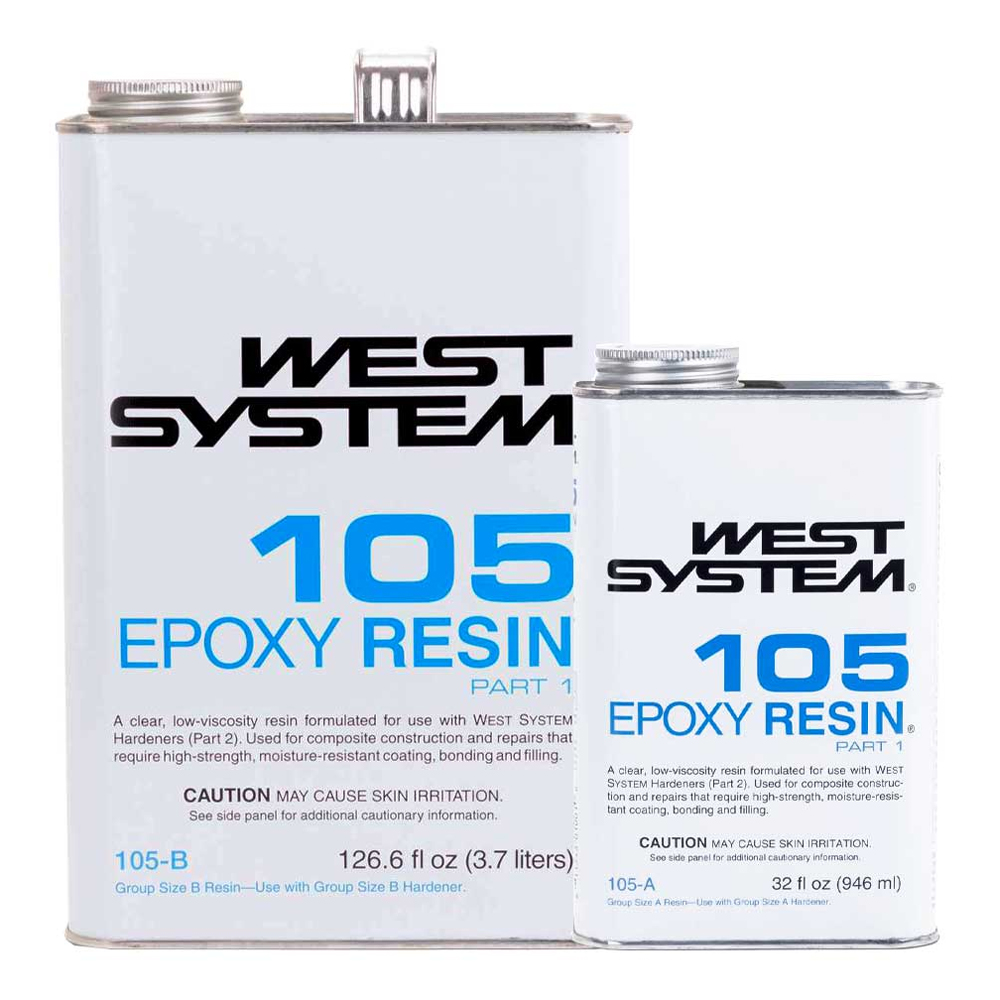
Vacuum bagging (or vacuum bag laminating) is a clamping method that uses atmospheric pressure to hold the adhesive or resin-coated components of a lamination in place until the adhesive cures. (When discussing composites, "resin" generally refers to the resin system-
mixed or cured resin and hardener-rather than unmixed 105 epoxy resin.) Modern room-temperature-cure adhesives have helped to make vacuum bag laminating techniques available to the average builder by eliminating the need for much of the sophisticated and expensive equipment required for laminating in the past. The effectiveness of vacuum bagging permits the laminating of a wide range of materials from traditional wood veneers to synthetic fibers and core materials.
1.2 Theory
Vacuum bagging uses atmospheric pressure as a clamp to hold laminate plies together. The laminate is sealed within an airtight envelope. The envelope may be an airtight mold on one side and an airtight bag on the other. When the bag is sealed to the mold, pressure on the outside and inside of this envelope is equal to atmospheric pressure: approximately 29
inches of mercury (Hg), or 14.7 psi. As a vacuum pump evacuates air from the inside of the envelope, air pressure inside of the envelope is reduced while air pressure outside of the envelope remains at 14.7 psi. Atmospheric pressure forces the sides of the envelope and everything
within the envelope together, putting equal and even pressure over the surface of the envelope.
The pressure differential between the inside and outside of the envelope determines the amount of clamping force on the laminate. Theoretically, the maximum possible pressure that can be exerted on the laminate, if it were possible to achieve a perfect vacuum and remove all of the air from the envelope, is one atmosphere, or 14.7 psi. A realistic pressure differential (clamping pressure) will be 12-25 inches of mercury (6-12.5 psi).
|
| Figure 1-1 A typical vacuum bagging lay-up before and after vacuum is applied. |
1.3 Advantages of vacuum bagging
Conventional clamps work well on thicker materials and narrow laminates like beams and frames. Large projects may require a large stockpile of clamps. Staples are commonly used to clamp thinner wooden plies when laminating wide panels for bulkheads or for applying veneers to cold-molded hulls. Vacuum bagging offers many advantages over conventional
clamping or stapling techniques. As with other laminating methods, different materials can be incorporated into the laminate. Materials can be selected specifically to match the structural requirements of the component rather than the limitations of the clamping method.
Even clamping pressure
Mechanical clamping or stapling applies pressure only to concentrated areas and can damage fragile core materials in one area while not providing enough pressure for a good bond in another. When placed in a closely spaced pattern, staples exert less than 5 psi of clamping
force and then only in the immediate area of the staple. They cannot be used at all if you are laminating to a foam or honeycomb core because of the core's lack of holding power. In addition, extra adhesive is often required to bridge gaps that result from the uneven pressure of clamps and staples.
Vacuum bagging, on the other hand, delivers firm, evenly distributed pressure over the entire surface regardless of the type or quantity of material being laminated. This allows a wider range and combination of materials as well as a superior bond between the materials. Vacuum bagging's uniform clamping pressure across the laminate results in thinner, more consistent glue lines and fewer voids. Because atmospheric pressure is continuous, it evenly presses on the joint as the adhesive spreads evenly within.
Control of resin content
Vacuum bagging also gives you the means to control excess adhesive in the laminate, resulting in higher fiber-to-resin ratios. This translates into higher strength-to-weight ratios and cost advantages for the builder. See 4.2.2.
Custom shapes
Another big advantage of vacuum bagging is in the simplicity and variety of the molds used. Keep in mind that the atmosphere is not only pushing down on the top of the envelope, but it is also pushing up equally on the bottom of the envelope or mold. Since atmospheric pressure provides equal and even clamping pressure to the back of the mold, the mold only has
to be strong enough to hold the laminate in its desired shape until the epoxy has cured. Therefore, most molds can be relatively light weight and easy to build.
Efficient laminating
Because all of the materials in the laminate are wet out and laid up at the same time, vacuum bagging allows you to complete the laminating process in one efficient operation.
1.4 Using vacuum bagging technology
This manual is designed to give you the basics of vacuum bagging. Before producing a finished composite part, you should also have an understanding of composite materials and the engineering involved in designing composite structures. Experimenting is essential to
that understanding and a valuable part of the design process. Composite construction is the ideal medium for experimentation, even on a small scale.
Composite construction and vacuum bag laminating are rapidly expanding technologies. The information in this manual is sure to be surpassed by the development of new composite materials and the refinement of vacuum bagging techniques. We hope this manual gives you the tools not only to expand your building capabilities, but also to explore the technology
and improve on these techniques.
 | West System Manual 002-150 Vacuum Bagging Techniques |
|